THE IDEALS · CANON
The Ideals of Nexusland
The unchanged foundation of Nexusland.
Thirty-three Ideals in seven groups, inspired by the Christian moral inheritance. They are not a constitution, not a legal code, and not a substitute for faith, family, conscience, or the lawful institutions of the world.
Nexusland Conceptual Art · CONCEPT
CANON THE PREAMBLE
What Nexusland stands upon
Life is not accidental, and human dignity is real.
Nexusland does not stand upon power, novelty, appetite, or human ambition alone. It stands upon the belief that life is not accidental, that human dignity is real, and that there exists a higher moral order to which both persons and systems remain answerable.
These Ideals are not a constitution, not a legal code, and not a substitute for faith, family, conscience, or the lawful institutions of the world. They are the unchanged moral foundation of Nexusland.
Nexusland is open in welcome. It does not require one formal confession from all who enter. But it does ask all who enter to honor the same upward direction: toward truth over manipulation, dignity over utility, mercy over cruelty, order over chaos, beauty over degradation, and peace over contempt.
The human person is the highest measure within the system. No structure, symbol, ambition, or instrument within Nexusland may stand above the worth of the person. Nexusland exists to serve people, not the reverse. Much in the project may grow, adapt, and expand. This foundation is meant to remain.
Nexusland Conceptual Art · CONCEPT
OPEN IN WELCOME
One upward direction
Nexusland does not require one formal confession from all who enter.
We’re a cultural and civic project with a stated moral direction, open to everyone. We’re not a church and don’t claim to replace one.
Nexusland Conceptual Art · CONCEPT
CANON I · FIRST THINGS
First things
The human person is the highest measure within the system.
Ideals 1 to 5: the Highest, the human person, and what may never stand above the person.
- 1. About the Highest.
We believe that life is not accidental, and that above chaos, selfishness, the rule of the strong, and the power of disordered desires there stands a higher calling for the human person. We recognize that the source of this calling is not a blind force, but a living Source of being — whom many people call God: the Logos behind meaning, the light that shines in darkness, the truth that sets free, and the self-giving love that restores what is broken. Therefore, with mind, will, heart, and all our strength, we turn ourselves toward this Source and strive to remain faithful to this higher calling, so as to bring into the world more light than darkness, more truth than fear, and more love than hostility.
- 2. About the Human Person.
We believe that every person bears within them an inherent dignity and a luminous image that must not be humiliated, broken, or reduced to utility, strength, or advantage. We recognize that this dignity is not accidental, but rooted in the higher origin of the human person and in the human calling toward the good. For that reason we seek to protect the person, to lift rather than break, to heal rather than wound, and to treat our neighbor with honor, love, mercy, and justice. For in preserving the other, we preserve the very foundation of our humanity.
- 3. The human person is the highest measure within the system.
Nexusland exists for people; people do not exist for Nexusland. The platform, its language, its structures, and its tools remain secondary to the dignity of the person.
- 4. No created thing should stand above the person.
No system, image, ambition, instrument, or structure may become more important than human dignity and the moral order that protects it.
- 5. No person may be reduced to function.
No one should be treated merely as a profile, asset, demographic, output, or instrument of growth.
CANON II · TRUTH, REVERENCE, AND REALITY
Truth, reverence, and reality
Words should remain answerable to reality.
Ideals 6 to 10: the sacred, truth, honest words, and what Nexusland is not.
6. What is sacred must not be handled carelessly.
The language of dignity, virtue, meaning, faith, transcendence, and moral seriousness must not be used cynically, theatrically, or as an instrument of pressure and control.
7. Truth is foundational to common life.
Falsehood, manipulation, concealment, and deliberate distortion corrode trust and degrade the shared world.
8. Words should remain answerable to reality.
Names, promises, titles, roles, claims, and public statements should not pretend to be more than they are.
9. Nexusland knows what it is and what it is not.
Nexusland is not a church, not a country, and not a substitute for either. It is a cultural layer, a civic imagination, and a disciplined public project that seeks to elevate life without replacing the lawful institutions of the world.
10. Integrity stands above image.
Reputation without substance is hollow. Style without truth is only performance.
Nexusland Conceptual Art · CONCEPT
CANON III · RHYTHM, GRATITUDE, AND HUMAN BONDS
Rhythm, gratitude, and human bonds
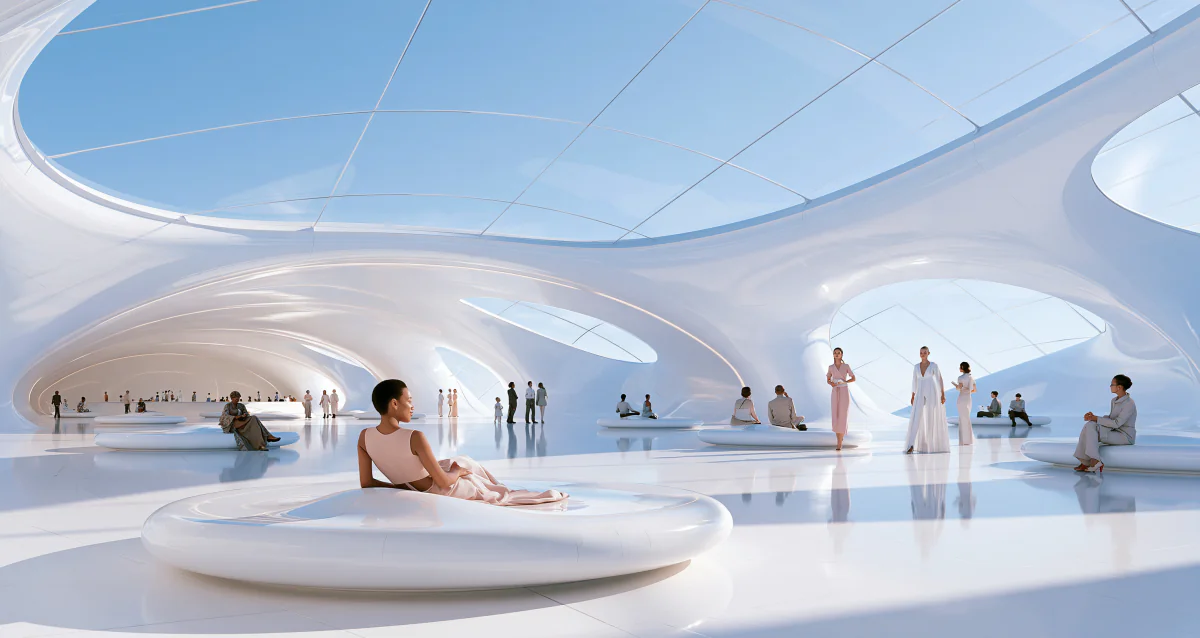
Rest is not weakness.
Ideals 11 to 16: rest, generations, family, fidelity, conscience, and care for the vulnerable.
Nexusland Conceptual Art · CONCEPT
- 11. Human life requires rhythm, rest, and renewal.
A worthy order does not consume the person without limit. Rest is not weakness, and a civilization that knows no pause eventually forgets what it exists to serve.
- 12. Gratitude toward those who gave us life, and continuity between generations, are marks of moral seriousness.
A healthy civilization honors inheritance, memory, and the bonds through which life, care, and formation are passed from one generation to the next.
- 13. The family has unique civilizational significance.
Nexusland affirms the unique civilizational importance of the family founded upon the union of man and woman, ordered toward the raising of children and the transmission of culture. This affirmation does not diminish the dignity of any person, nor does it authorize contempt, coercion, or unlawful discrimination.
- 14. Fidelity matters.
Trust, intimacy, loyalty, and enduring bonds must not be treated carelessly. What binds persons deeply should not be degraded into appetite, betrayal, or use.
- 15. Conscience deserves respect.
Nexusland does not demand sameness in all things, but it does ask for honesty, seriousness, and moral restraint.
- 16. The vulnerable deserve particular care.
A worthy civilization is known by how it treats the overlooked, the strained, the wounded, the inexperienced, and the weak.
CANON IV · LIFE, CHARACTER, AND INNER ORDER
Life, character, and inner order
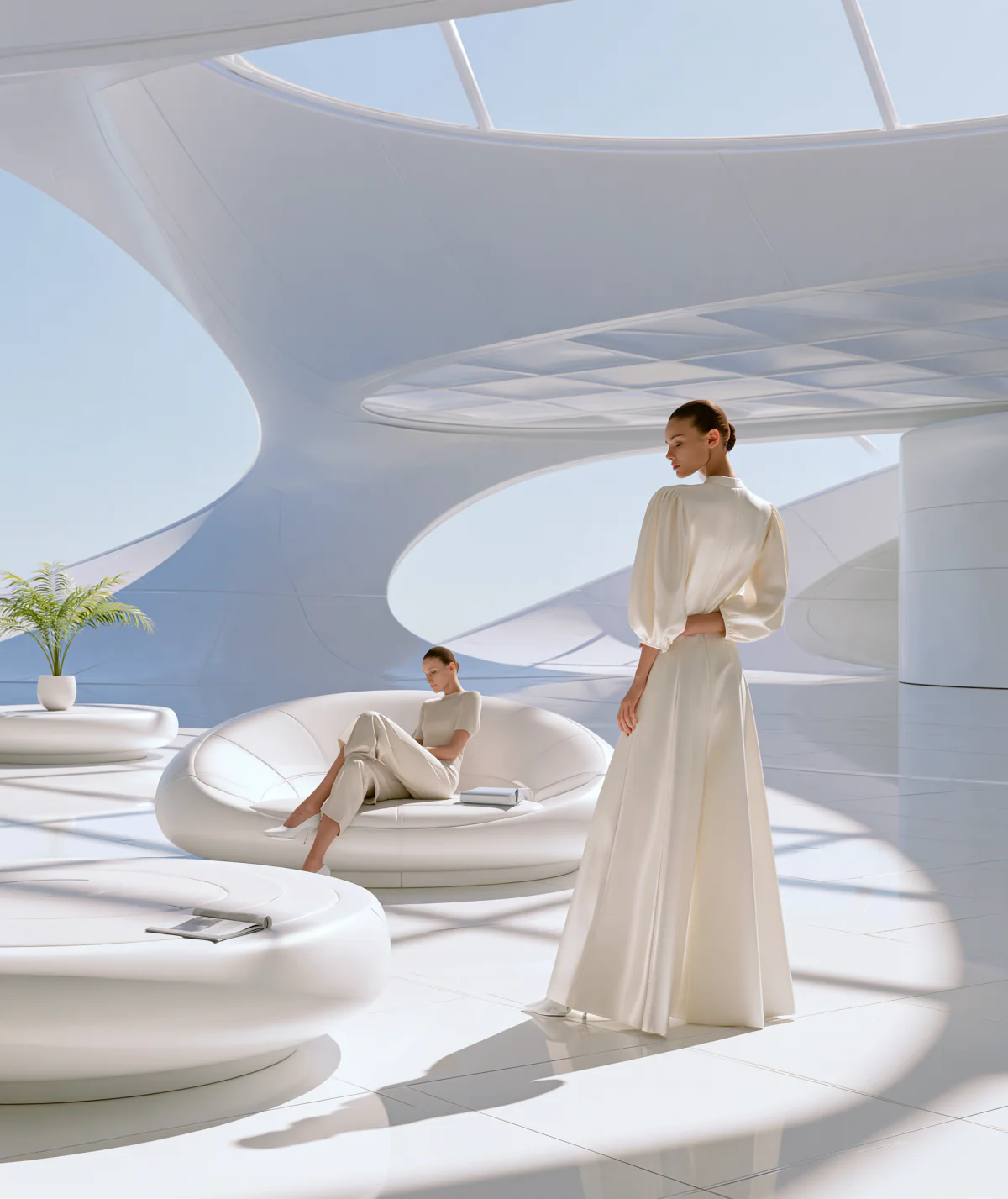
Not every provocation deserves a reply.
Ideals 17 to 21: dignity, self-mastery, deliberation, pride, and measure.
17. Human life and human dignity must never be treated lightly.
No person should be handled with contempt, instrumental coldness, or casual dehumanization.
18. Self-mastery is a sign of maturity.
Impulse, vanity, disorder, addiction to outrage, and compulsive reaction do not strengthen a culture; they weaken it.
19. Deliberation has moral value.
Not every provocation deserves a reply. Not every conflict deserves to be amplified.
20. Pride is a form of inner disorder.
Achievement may be honored, but self-exaltation must never become the ruling spirit of the culture.
21. Inner disorder begins when desire refuses measure.
A person and a culture are weakened when appetite, envy, resentment, or restless craving are allowed to rule without gratitude, restraint, and proportion.
Nexusland Conceptual Art · CONCEPT
CANON V · MERCY, BOUNDARIES, AND PROTECTION FROM HARM
Mercy, boundaries, and protection from harm
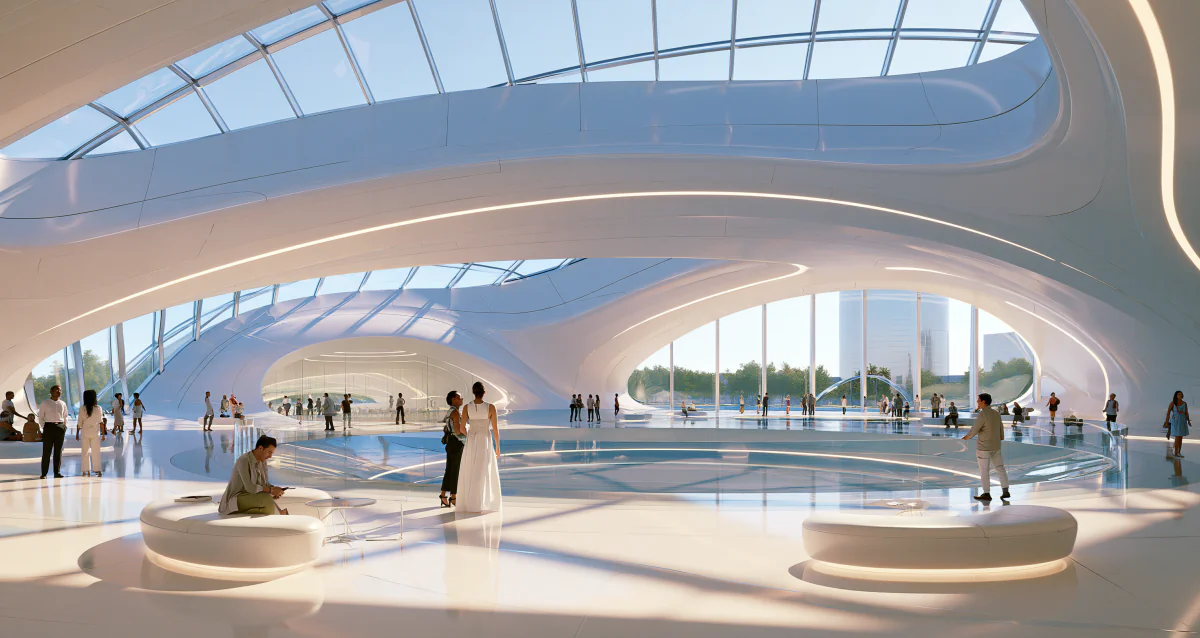
Responsibility includes mercy.
Ideals 22 to 26: mercy, cruelty, boundaries, the limits of judgment, and care for the unformed.
Nexusland Conceptual Art · CONCEPT
- 22. Responsibility includes mercy.
Those entrusted with more visibility, stewardship, or influence bear a greater duty to act with patience, care, and seriousness toward others.
- 23. Cruelty must never become normal atmosphere.
A culture decays when mockery, humiliation, and hardening of the heart become ordinary forms of entertainment or participation.
- 24. Nexusland sets boundaries to guard against harm.
Nexusland is not a punitive authority and does not claim the role of a court or state. But it does reserve the right to establish internal standards, limit participation, and protect its environment where necessary to prevent harm and preserve trust.
- 25. Nexusland does not claim the final word over any person.
We do not pretend to perfect knowledge of the heart, nor do we claim ultimate judgment over anyone. We may enforce boundaries for protection and order, but civil and criminal judgment belong to lawful authorities, and the deepest judgment is not ours to claim.
- 26. A worthy culture helps orient the unformed.
A good system does not only reward the polished; it also knows how to receive, steady, and guide the new, the uncertain, and the unfinished.
CANON VI · FAIRNESS, STEWARDSHIP, AND LIMITS
Fairness, stewardship, and limits
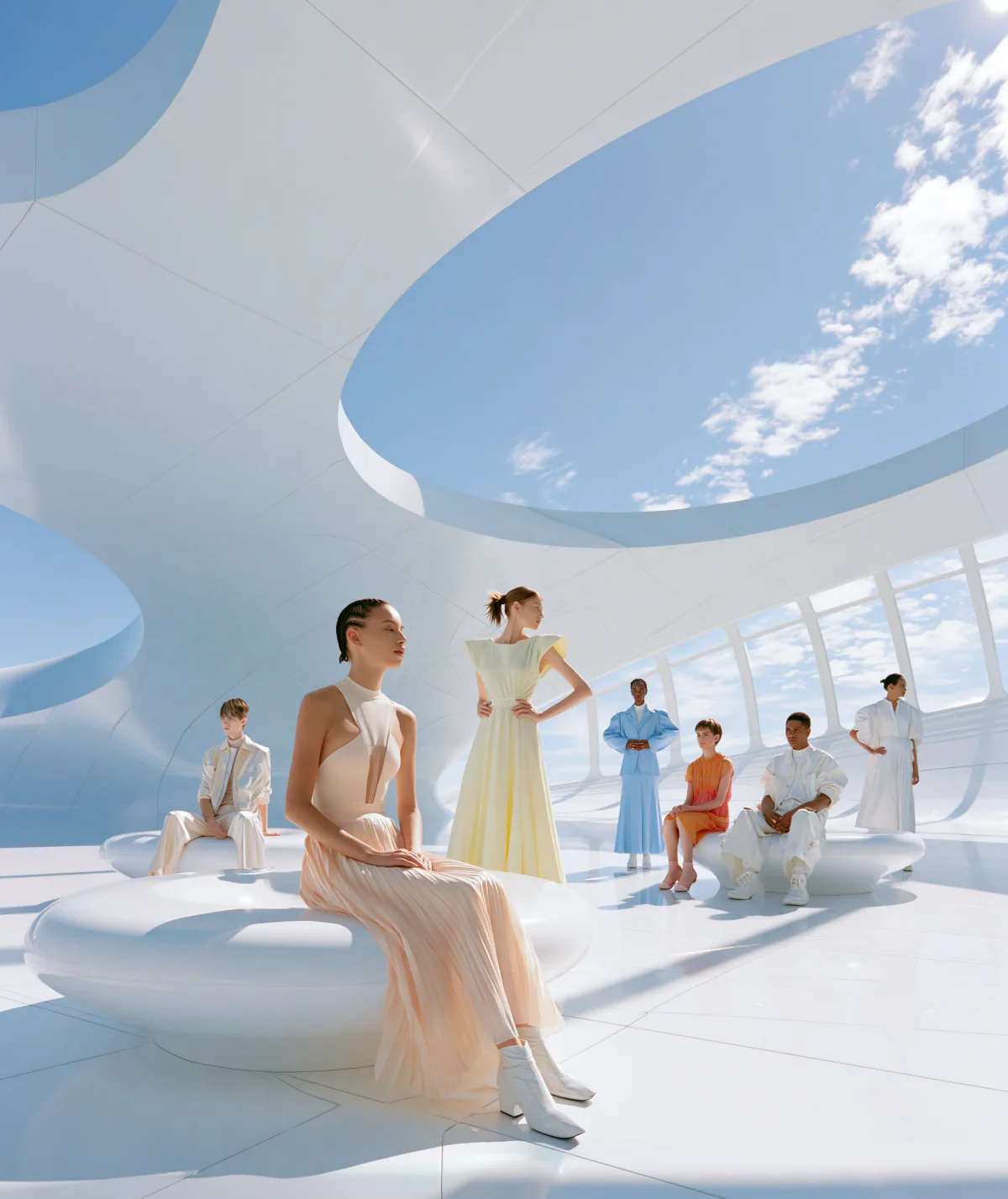
Higher standing brings higher responsibility.
Ideals 27 to 30: responsibility, bounded roles, entrusted goods, and conflicts of duty.
27. Higher standing brings higher responsibility.
The more trust, visibility, or symbolic weight a person carries within Nexusland, the more restraint, seriousness, and accountability are expected.
28. Roles must remain bounded, and no one within them stands above standards.
No internal title, function, or office should become vague enough to create confusion, informal domination, or moral fog. Honor, esteem, or responsibility do not place a person beneath the standards they are meant to uphold.
29. What belongs to another, or has been entrusted for the common good, must not be taken, corrupted, or misused.
Time, spaces, tools, resources, knowledge, and the trust of others are not to be wasted, exploited, or handled carelessly.
30. Conflicts of duty should be named clearly.
When loyalties, obligations, or personal interests interfere with clear stewardship, that tension should be disclosed and handled with seriousness.
Nexusland Conceptual Art · CONCEPT
CANON VII · COMMON LIFE, PEACE, AND THE FUTURE
Common life, peace, and the future
The environment should make peace easier to keep.
Ideals 31 to 33: real jurisdictions, an environment built for peace, and a future worthy of the person.

Nexusland Conceptual Art · CONCEPT
- 31. Public-law judgment belongs to real jurisdictions.
Criminal matters, civil disputes, and legal enforcement belong to the lawful institutions of the places in which people live. Nexusland governs only its own environment and standards, in order to reduce harm and preserve coherence within the system.
- 32. The environment should make peace easier to keep.
Nexusland should be designed so that dignity is easier to preserve, conflict is less easily inflamed, division is not rewarded, and disagreement can be handled with calm, proportion, and truthfulness.
- 33. The future must be built in a way that remains worthy of the human person.
Nexusland rejects passivity, degradation, and false progress. It recognizes no future as worthy if it empties out truth, conscience, mercy, gratitude, beauty, restraint, or the moral seriousness that protects the value of human life.
CANON FINAL DECLARATION
These are the Ideals
They are the unchanged foundation of this project.
Nothing in these Ideals authorizes unlawful discrimination, incitement to hostility, or the denial of equal human dignity.
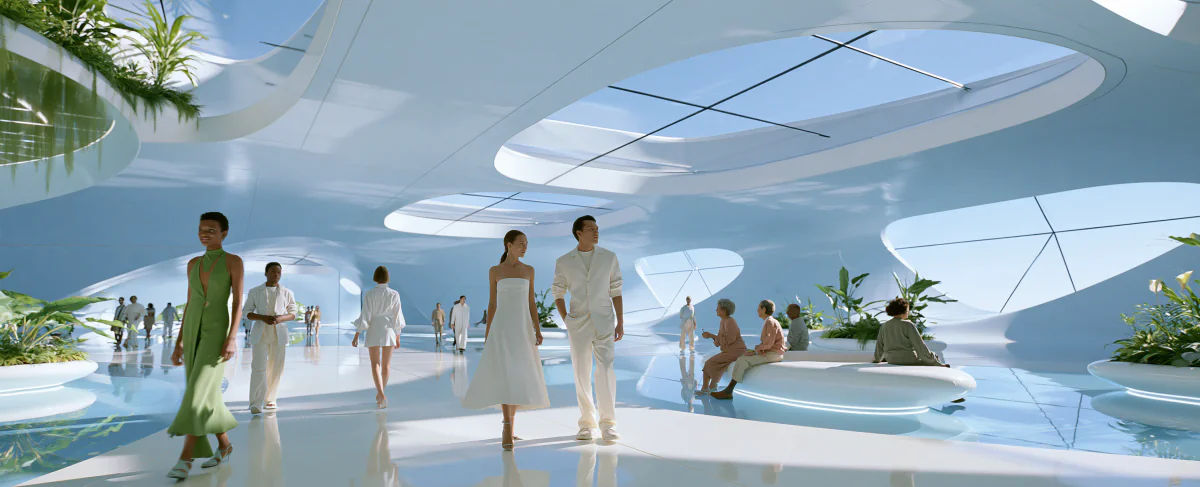
Nexusland Conceptual Art · CONCEPT
THE IDEALS OF NEXUSLAND
Let the language remain truthful.
Let the standards remain high. Let ambition remain disciplined. Let the future remain worthy of the human person.
No person, vote, House, Council, product, company, or temporary majority stands above the Ideals. The next page shows how everything else is arranged beneath them.
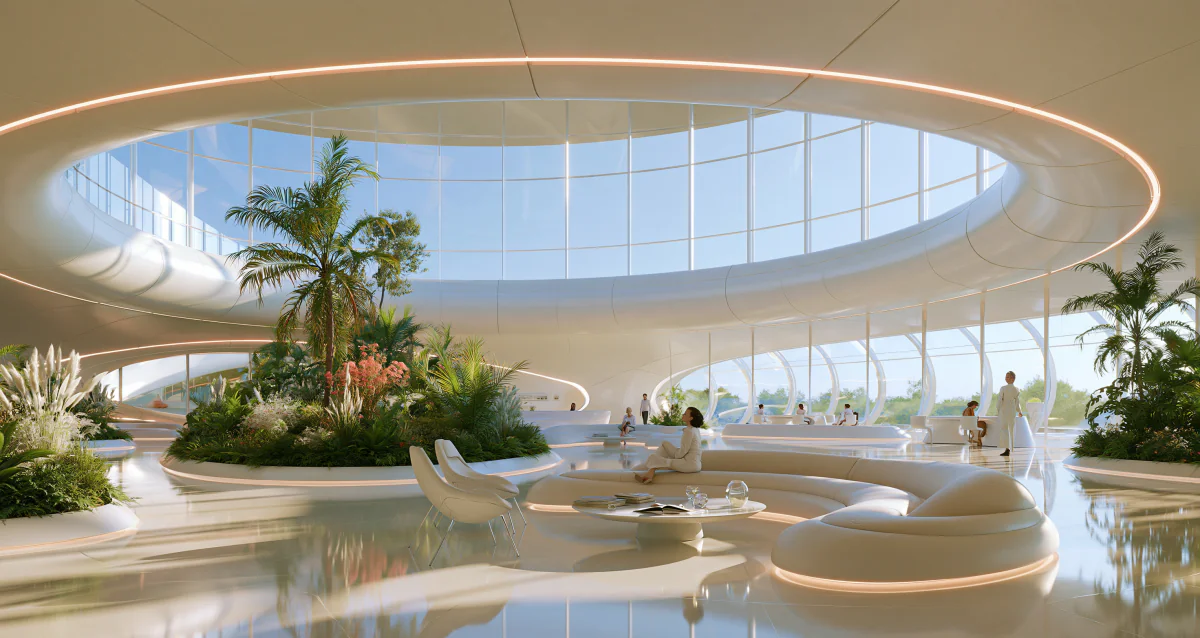
Nexusland Conceptual Art · CONCEPT