HORIZON
A social platform
Whose central interface is meant to move beyond passive consumption into action, learning, missions, and habit support.
The Nexusland sites
CANON FOUNDING DOCUMENT · PARTS I–II
A project that wants to last must know what it honors, what it refuses, and what kind of human being it hopes to help form.
The long form behind the manifesto: why Nexusland exists, and the moral frame it is built inside. It states an intention and a set of rules. There is no live product yet.
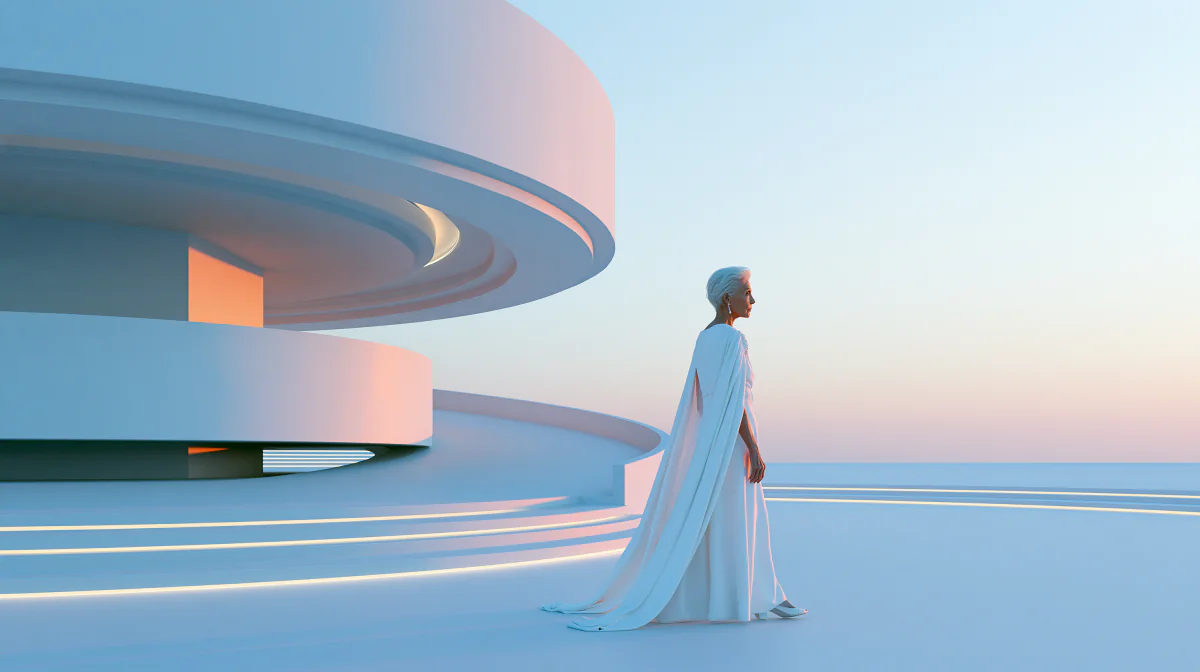
Nexusland Conceptual Art · CONCEPT
READER’S NOTE
Grand ambitions without sequence become delusion. Sequence without ambition becomes administration.
Nexusland should be read in two registers. In one register, it speaks at civilizational altitude. It asks what kind of digital world human beings deserve, what institutions the internet forgot to build, and what a higher form of social software might look like if dignity, beauty, moral seriousness, and collective ambition were treated as design requirements rather than afterthoughts.
In another register, it speaks as a practical build order. It specifies architecture, interfaces, boundaries, roles, and the sequence by which a large idea avoids becoming a theatrical one. The scale of the vision is intentionally large. The sequence of execution is intentionally disciplined. The tension between the two is not a weakness in the project. It is the project. Nexusland intends to combine horizon with order.
Treat this document as a standard, not a prison. It is meant to establish coherence and ambition, but not to freeze the project into rigidity. A living world needs standards. It also needs the freedom to mature in contact with reality.
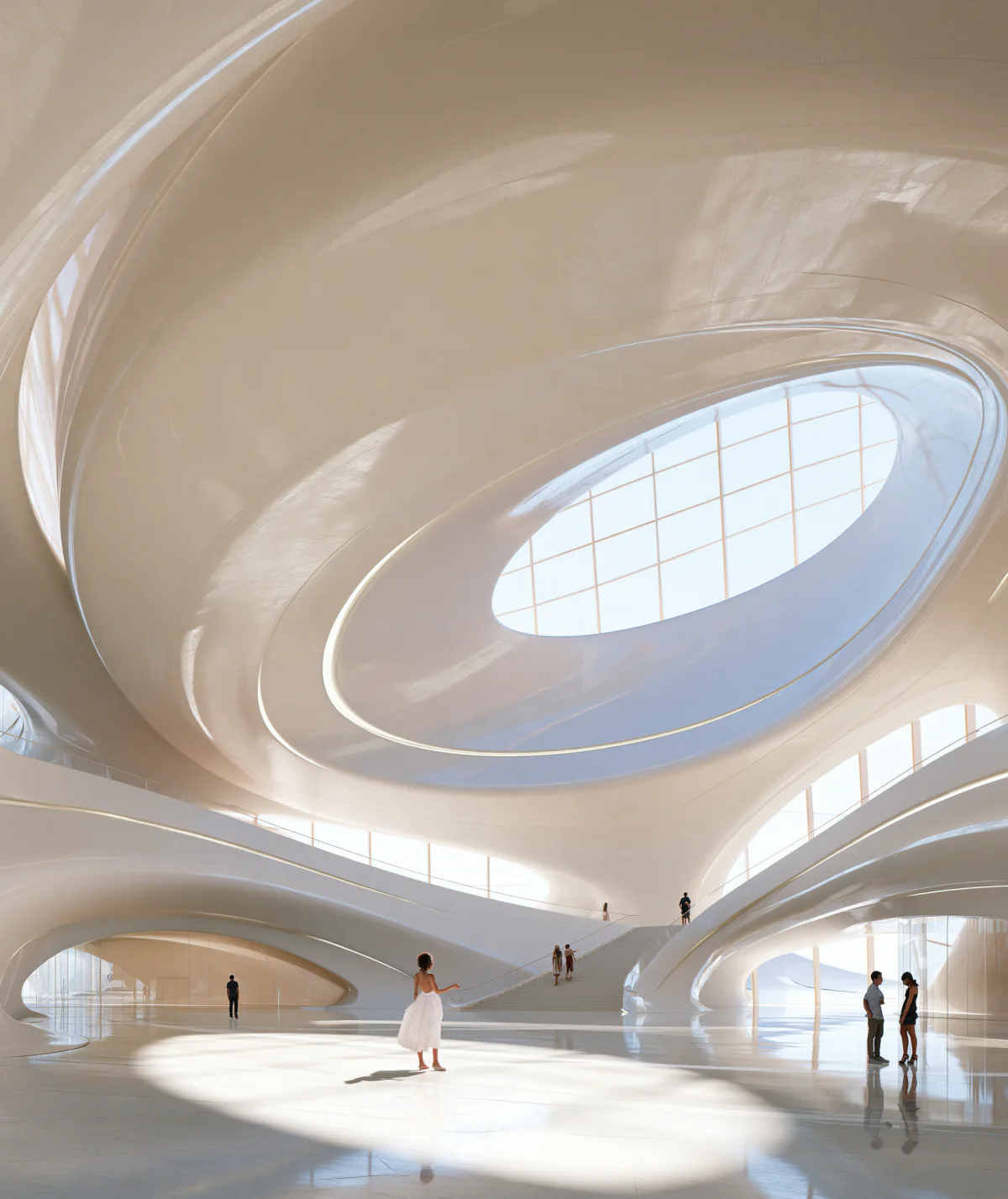
Nexusland Conceptual Art · CONCEPT
1 · ADDRESS TO THE PEOPLE OF EARTH
Too valuable to be left to systems that grow rich by lowering you.
Your imagination is too important to be fed only by fragmentation. Your future is too serious to be shaped solely by institutions that treat you as a consumer before they treat you as a person. Nexusland is an invitation to participate in building something higher.
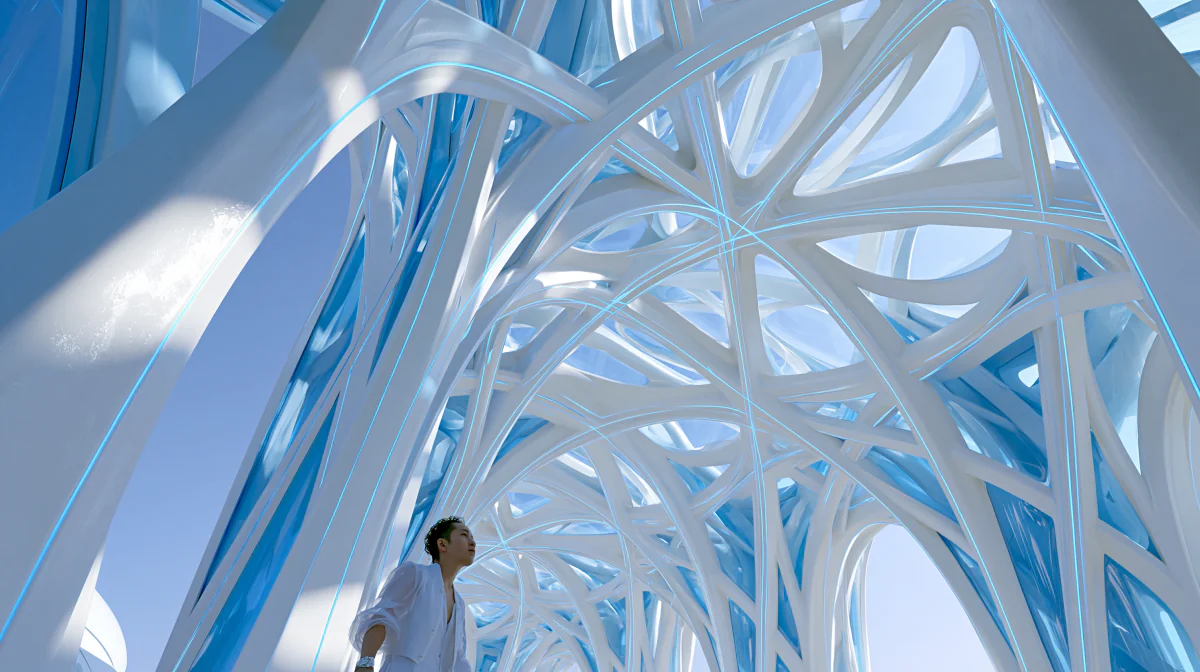
Nexusland Conceptual Art · CONCEPT
1–2 · THE CONDITION OF THE PRESENT AGE
The internet has become very good at serving appetite and strangely poor at serving adulthood.
Nexusland begins with a simple but demanding conviction: the future should not be left entirely to drift, extraction, entertainment loops, institutional fatigue, or the shallow economics of engineered distraction. Human beings today live inside systems powerful enough to shape memory, taste, discipline, aspiration, language, social standing, and even the pace of inner life. Yet most of those systems were not designed to mature the person. They were designed to hold the person.
Never before have so many people possessed tools for publication, learning, collaboration, self-expression, and global coordination. Never before have so many felt so fragmented, over-stimulated, under-directed, culturally homeless, or spiritually exhausted inside the very networks that promised liberation. We are hyper-connected and civilizationally under-organized. We possess interfaces without inheritance, abundance without order, information without formation, and identity surfaces without durable belonging.
Nexusland exists as an answer to that condition. Not as an escape from the world, not as a war against modernity, and not as a fantasy of instant perfection, but as a disciplined attempt to build a better layer within reality.
The dominant platforms of the present era solved for immediacy, frictionlessness, and scale. This is not trivial engineering. It is an extraordinary achievement of interface design and behavioral understanding. But technical success can conceal anthropological poverty. A system can be brilliant at holding attention and shallow in its understanding of what attention is for.
People now assemble their lives from fragments scattered across dozens of applications. The result is a collage of tools without a unifying pattern of life. The future appears not as a system but as a patchwork. This fragmentation has consequences. It weakens attention. It makes identity more performative and less integrated. It rewards public irony over moral seriousness, signals over substance, reaction over responsibility, and exposure over formation.
Nexusland starts from the belief that the internet can be asked to do more. It can be designed as a place where content leads to action, where identity is tied to growth, where culture has memory, where social life includes duty, where tools are woven into daily rhythm, and where participation can become more constructive over time rather than more compulsive.
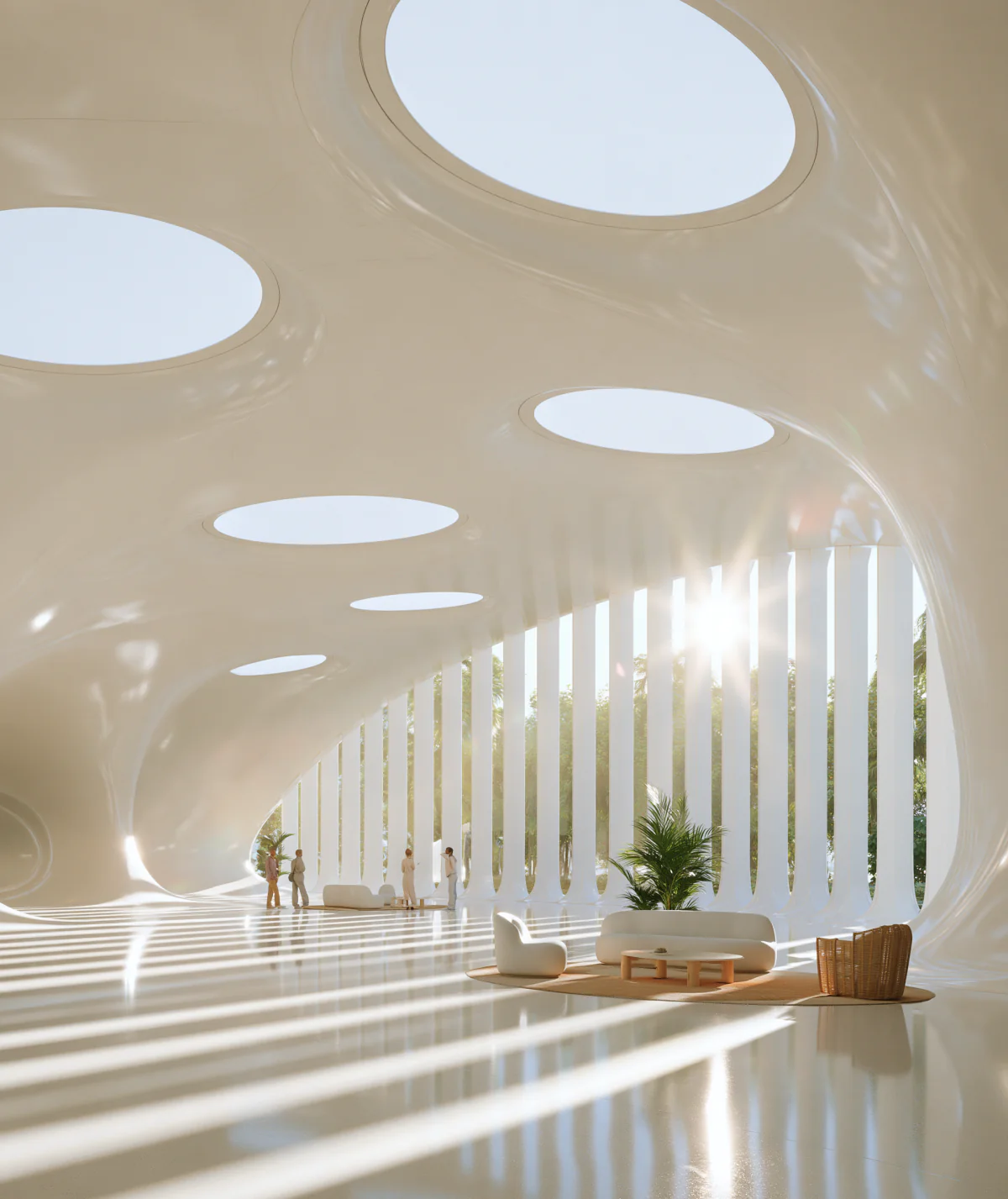
Nexusland Conceptual Art · CONCEPT
HORIZON 3 · THE PROMISE OF NEXUSLAND
Nexusland does not promise utopia. Human beings remain human beings.
The project intends to do four things at once, bound into one architecture. Nexusland is not strongest when it makes the loudest claim. It is strongest when each new layer deepens the whole.
HORIZON
Whose central interface is meant to move beyond passive consumption into action, learning, missions, and habit support.
HORIZON
Meant to produce and organize stories, symbols, films, books, visual identity, sound, and a recognizable image of a future worth inhabiting.
HORIZON
In which people are meant to enter easily, choose a developmental orientation, rise through visible ranks, and receive trust in proportion to contribution.
Over a long horizon: studios, hubs, campuses, gatherings. A long-horizon aspiration, not something that exists today.
CANON 4 · WHAT IT IS, AND WHAT IT IS NOT
Large ideas become ridiculous when they refuse to define their own boundaries.
Nexusland does not gain seriousness by pretending to be what it is not. It gains seriousness by speaking truthfully about what it aims to build, and by deserving expansion one layer at a time.
CANON 5 · THE MORAL INHERITANCE
That fact should be stated plainly and handled with precision.
Nexusland was founded by a Christian. That fact should be stated plainly and handled with precision. The project is not a church, not a sacramental authority, not a new denomination, and not an attempt to replace parish, congregation, or historic forms of worship. It is a cultural, technological, and institutional project whose founder is shaped by Christianity and whose moral imagination draws consciously from that inheritance.
In public terms, this means Nexusland seeks to uphold the moral grammar of Christian civilization without collapsing into sectarian theater or manipulative religiosity. The dignity of the human person, the sanctity of conscience, the moral seriousness of freedom, the discipline of truth, the call to serve rather than dominate, the importance of mercy, the legitimacy of law, the possibility of repentance, the value of work, the nobility of stewardship, the need for self-mastery, and the duty to protect the weak are not treated as decorative sentiments. They are treated as design principles.
Nexusland refuses two opposite errors. The first is aggressive secular emptiness: the pretense that platforms should have no moral grammar beyond whatever increases engagement or revenue. The second is cultic performance: the misuse of sacred language to flatter, isolate, control, exploit, or manufacture dependency. Nexusland seeks another posture: morally explicit, publicly intelligible, spiritually serious, institutionally modest, and socially hospitable.
The clearest summary is this: Nexusland is Christian in root, humane in welcome, disciplined in public framing, and law-abiding in institutional posture. People of good will may participate if they are willing to respect the code, the dignity of others, and the common standards of the world they are entering. The aim is not to erase difference. The aim is to prevent cynicism from becoming the default atmosphere of digital life.
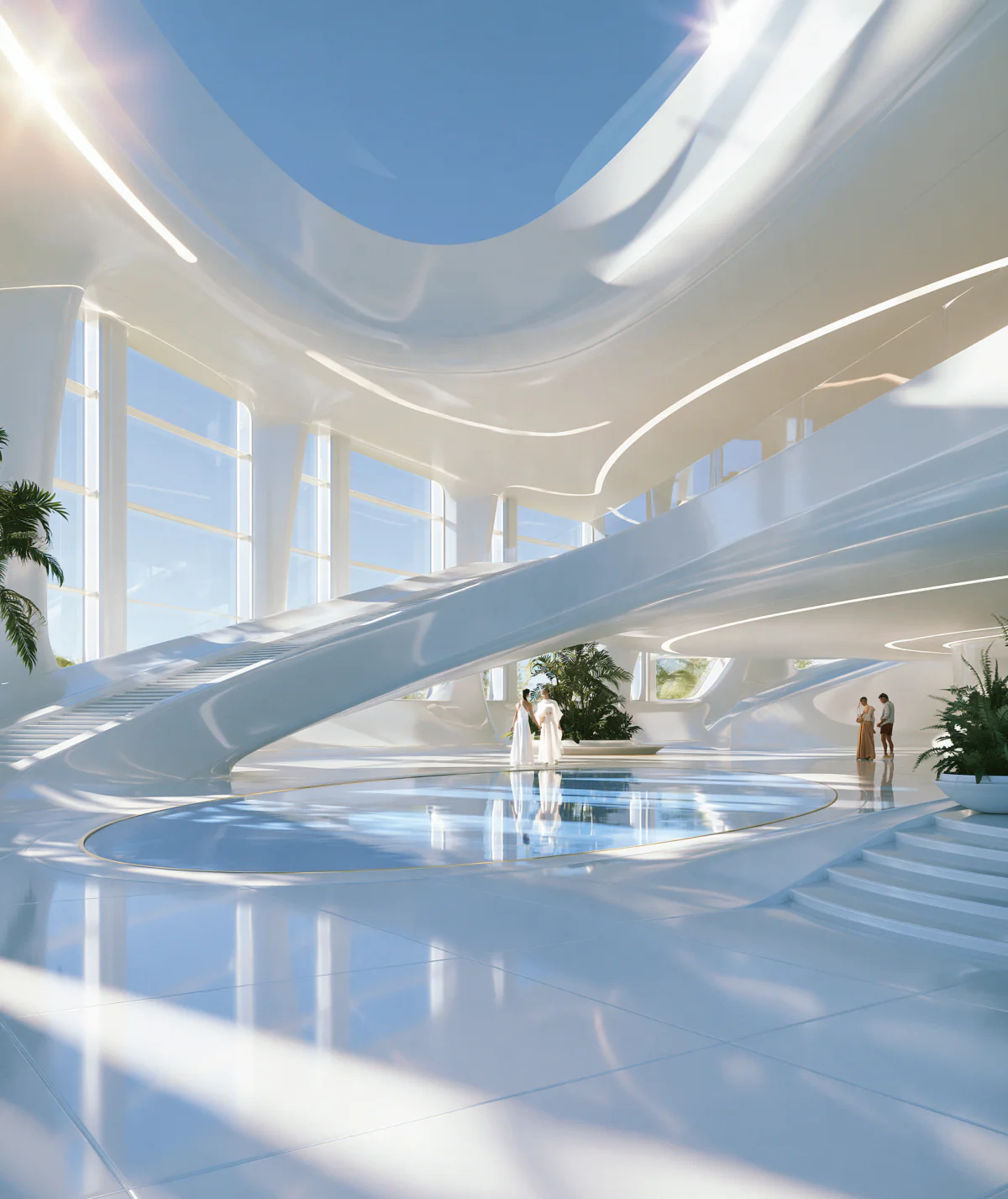
Nexusland Conceptual Art · CONCEPT
CANON 6 · THE ANTHROPOLOGY OF THE PLATFORM
A person is not reducible to appetite.
Every interface contains assumptions about what a person is. Nexusland begins from a richer view: a person is a creature of dignity, responsibility, imagination, fallibility, potential, embodiment, memory, and moral possibility. The platform should be structured around moral adulthood instead of perpetual infantilization.
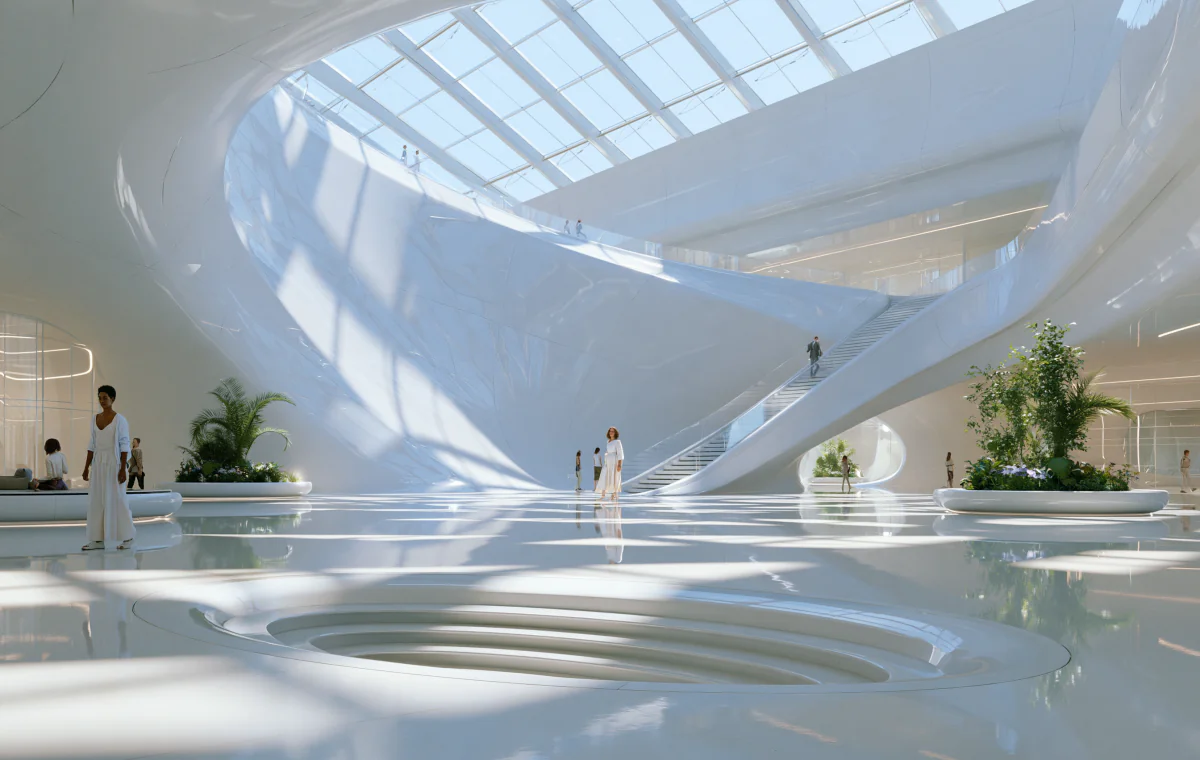
Nexusland Conceptual Art · CONCEPT
CANON 7 · FOUNDING PRINCIPLES
Each principle is given with its meaning in practice.
The Public Manifesto carries six of them. The founding document names ten.
A Resident is never reducible to engagement data, behavioral output, or monetizable profile value.
The project should not rely on deception, humiliation, manufactured outrage, or fake belonging in order to grow.
Taste is not a luxury. It is infrastructure. What a civilization normalizes visually and verbally eventually shapes conduct.
Rank, authority, and visibility exist for stewardship and responsibility, not vanity.
Healthy systems reward steadiness, practice, repeatable contribution, and long memory.
Residents should be invited toward mastery, recovery, courage, and responsibility rather than endless passive amusement.
Nexusland respects nations, laws, jurisdictions, and the reality that durable institutions are built through sequence, not fantasy.
Talent, attention, money, and time are entrusted goods and should be handled accordingly.
People can change, but systems still need boundaries, consequences, escalation, and appeal logic.
Tools should amplify conscience-guided agency, not replace conscience or train dependency.
CANON 8 · THE RESIDENT CODE
Mercy is not the abolition of consequence. Mercy is consequence handled without hatred.
Every lasting culture eventually requires a code. Not a stack of slogans, but a set of behavioral expectations that make trust possible. Nexusland’s code begins with ordinary virtues treated seriously: truthfulness, lawfulness, respect for persons, rejection of fraud, rejection of coercive manipulation, care for children, protection of the vulnerable, humility before facts, and refusal to convert the platform into a theater of cruelty, contempt, or degradation.
At a higher level, the code asks Residents not merely to use the atmosphere but to improve it. That may happen through better work, better tone, better design, more patience, more practical help, more disciplined criticism, more reliable service, better cultural taste, or the willingness to show up when everyone else becomes erratic. Nexusland is not only a place to be entertained. It is a place to become useful.
The code also establishes a negative line. Nexusland is not neutral toward exploitation, deliberate corruption, predatory sexual conduct, fraud, sadistic spectacle, criminal behavior, or the use of moral language as cover for abuse. The platform should be hospitable. It should not be porous to rot. Moderation exists for this reason. Mercy is not the abolition of consequence. Mercy is consequence handled without hatred.
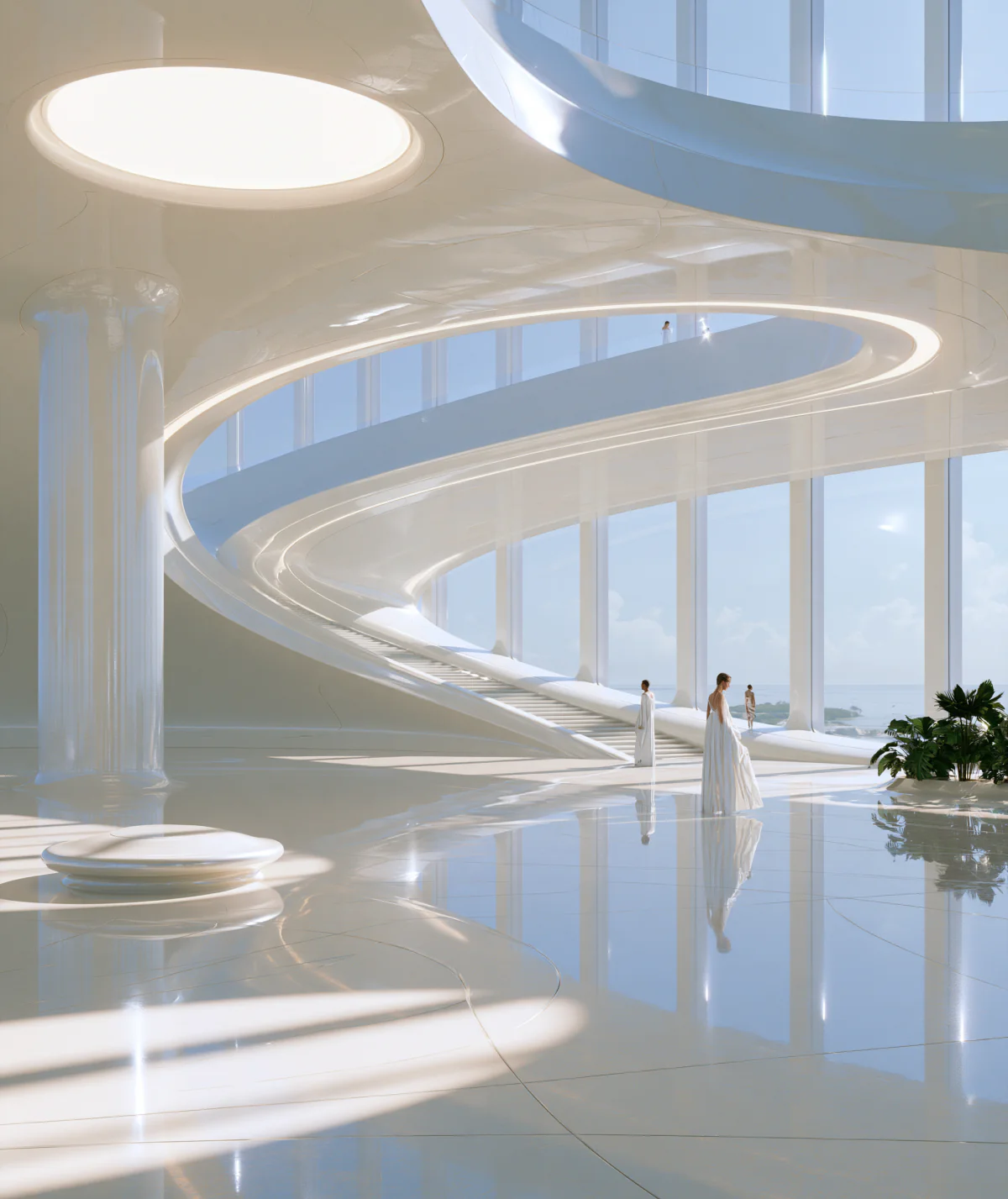
Nexusland Conceptual Art · CONCEPT
CANON 9 · PAX NEXICA
A beautiful society must be ordered. But order becomes ugly the moment it ceases to serve human beings.
Pax Nexica names the atmosphere the project seeks to produce: ordered peace, disciplined harmony, strength without cruelty, ambition without contempt, progress without loss of soul. It rejects fragmentation, where everyone inhabits the same network yet belongs to nothing durable, and domination, where order is pursued through coercion. It should shape interface design, tone, moderation, conflict resolution, and the relations between Houses.
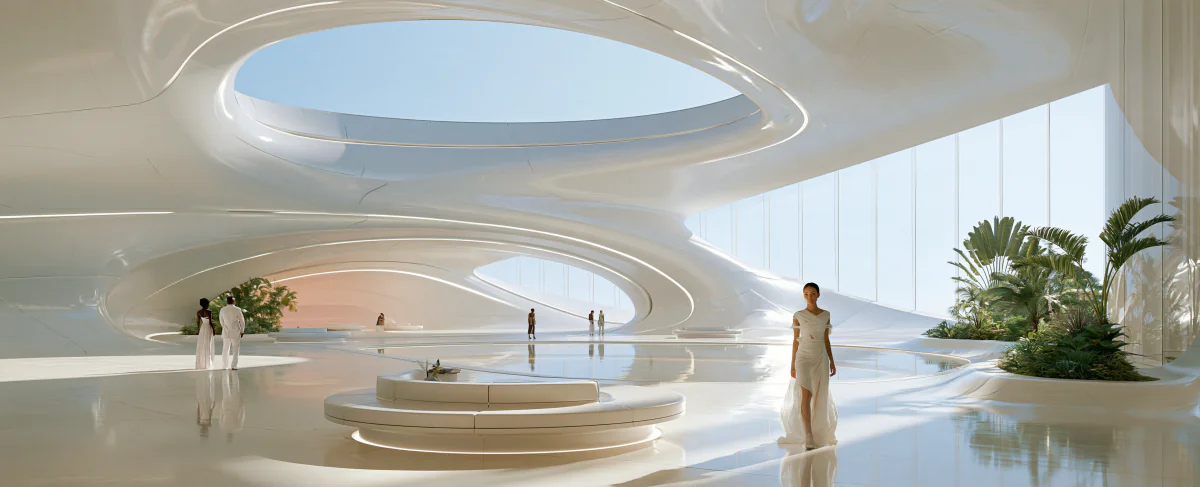
Nexusland Conceptual Art · CONCEPT
PART III
A civilization becomes believable when its ideals take form as interfaces, paths of growth, institutions, roles, and real choices.
The next part of the founding document describes the system that is meant to carry this frame.
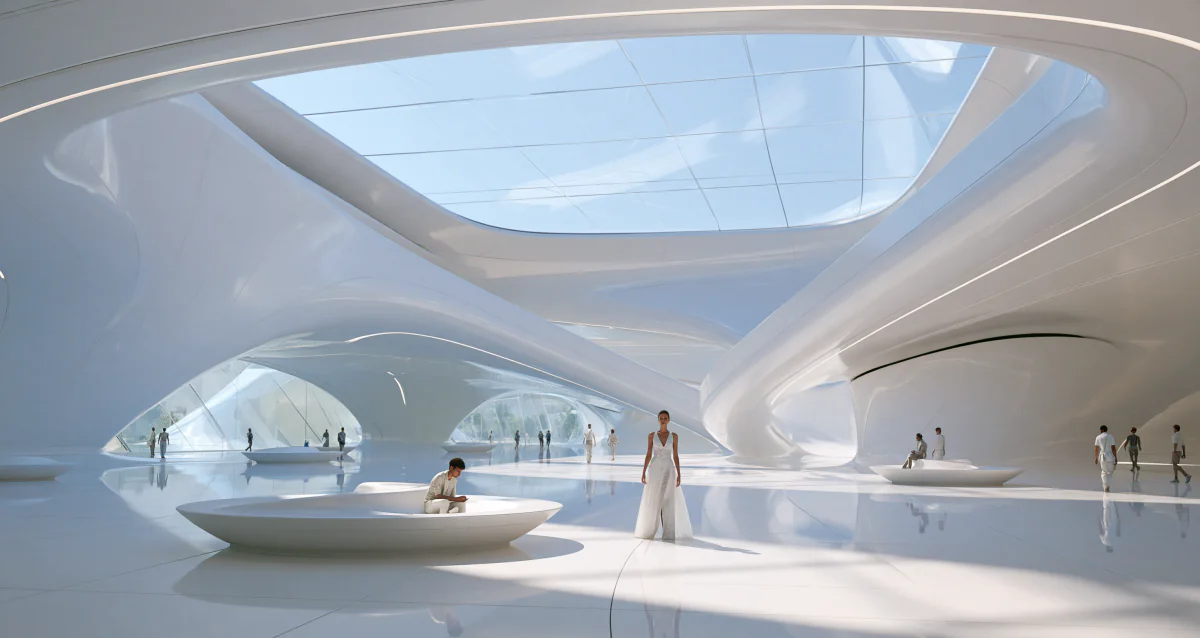
Nexusland Conceptual Art · CONCEPT
Necessary cookies are always on: without them the sites do not work. The other kinds are not used today. What you allow here applies only if they are added, and you can change it at any time under «Cookie settings» at the bottom of every page.
Keep the sites working and safe: your cookie choice and the protection of the forms from bots.
Would count visits to improve the sites. Not used today.
Videos embedded from YouTube, which may set its own cookies when a video plays. Not used today.
Would measure advertising. Not used today.